How will it be used?
A writing notebook, a printed workbook and an event booklet may need different opening behaviour and page layouts.

Notebook binding guide
How sewn, spiral, saddle-stitched and glue-bound notebooks are built, what each one suits, what to put in your brief and what to check on the sample. Each binding is shown with sizes and sheet counts recorded across 24 notebook samples in our case library.
Made in our own factory in Cangnan, China. Ranges describe recorded samples, not production limits, MOQ or price.At a glance
Construction notes apply to the binding type in general. The last column summarises only what is listed in our sample records; counts appear as each record lists them.
| Binding | How it is built | Opening and page plan | Recorded in our samples |
|---|---|---|---|
| Sewn | Pages are stitched with thread along the spine fold and attached to the cover. | Thread holds the page block at the fold. How flat it opens depends on thickness, paper and cover. | 5 references · A6, A5, B5 · 30–100 sheets · 60–80g writing paper |
| Spiral | Holes are punched along one edge and a wire or coil runs through them. | Pages turn fully around the binding, so the notebook can fold back on itself while writing. | 13 references · A7, A6, A5, A4 · 14–80 sheets · 70–80g writing paper; also 200g card pages (Case 04) and two-part carbonless sets (Case 37) |
| Saddle stitch | Sheets are folded once and fastened through the centre fold. | The fold opens to a centre spread. Each folded sheet carries four pages, so printed layouts are planned in multiples of four. | 3 references · A5 · 24–30 sheets · 70g paper |
| Glue-bound | The page block is held along the spine with adhesive and the cover is attached at the spine. | A clean, square spine. Opening behaviour depends on paper, thickness and the adhesive used, so test it on the sample. | 3 references · A5 · 50–55 sheets · 70–80g paper |
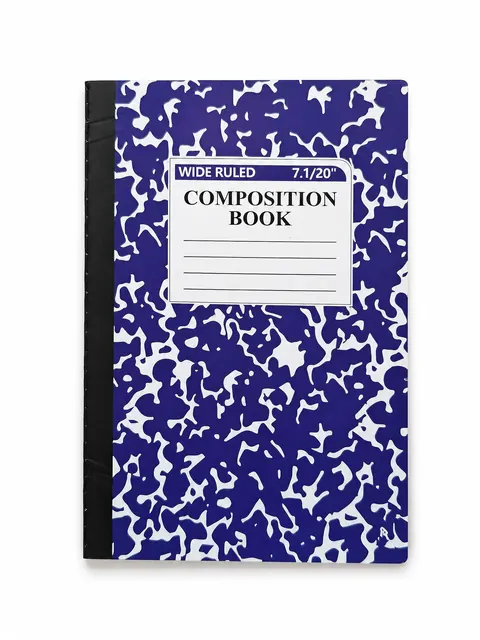
5 recorded references
Pages are stitched with thread along the spine fold and attached to the cover. Thread holds the page block at the fold. How flat it opens depends on thickness, paper and cover.
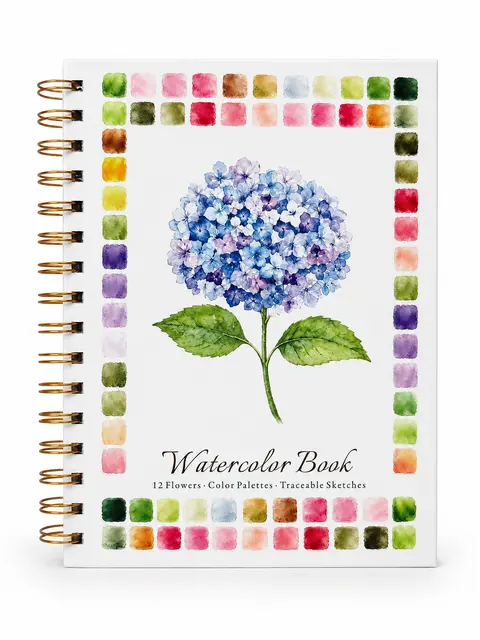
13 recorded references
Holes are punched along one edge and a wire or coil runs through them. Pages turn fully around the binding, so the notebook can fold back on itself while writing.

3 recorded references
Sheets are folded once and fastened through the centre fold. The fold opens to a centre spread. Each folded sheet carries four pages, so printed layouts are planned in multiples of four.
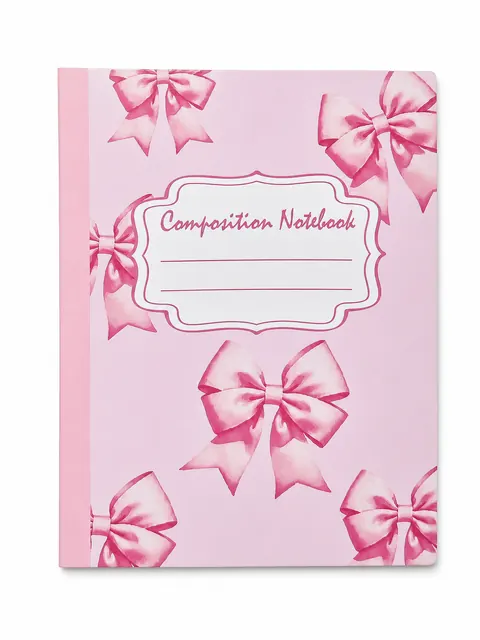
3 recorded references
The page block is held along the spine with adhesive and the cover is attached at the spine. A clean, square spine. Opening behaviour depends on paper, thickness and the adhesive used, so test it on the sample.
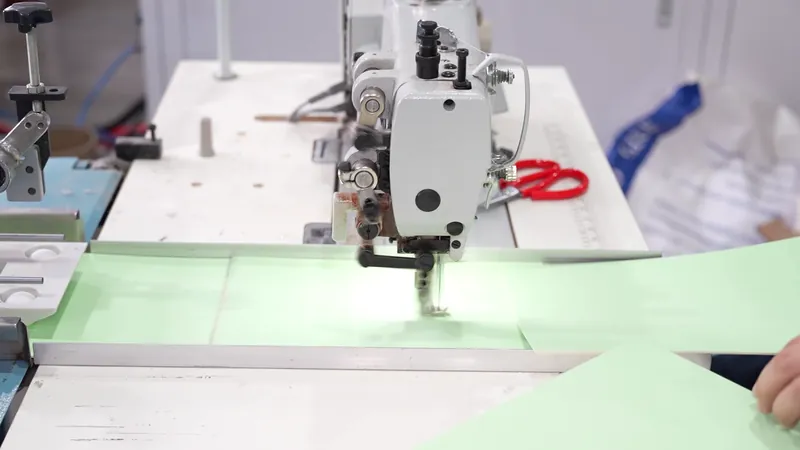
From our workshop
Our factory footage shows paper cutting, thread sewing, manual finishing and shrink packaging. The production route for your notebook is confirmed against the approved sample.
Watch the process clips →Three questions before selecting
Compare every option against the same brief.
A writing notebook, a printed workbook and an event booklet may need different opening behaviour and page layouts.
Custom interiors, page count and paper choice affect the structure. State whether your count means sheets or printed pages.
The binding profile and thickness affect individual packing and presentation. Review the pack with the physical sample.
Using this guide
You are welcome to link to this guide and its recorded sample examples. Each example links to a case page with photographs of that sample. Please describe the ranges as recorded samples from one manufacturer, not as industry limits.
Tell us the format, quantity, artwork, destination and required arrival date. MOQ, sample costs and shipping are confirmed for your project.